
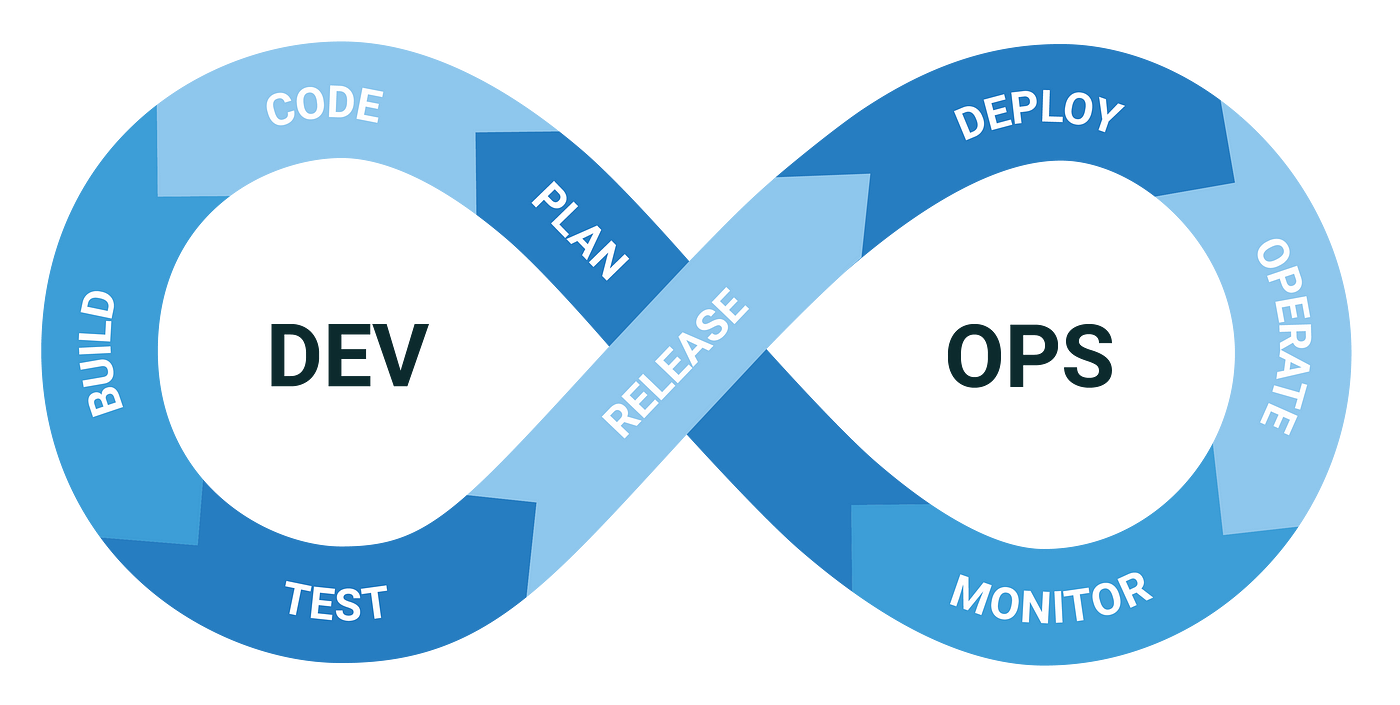

One of the main goals of DevOps is to improve how work flows throughout the software development life cycle (SDLC). This flow is often referred to as work in progress, or WIP. There are several ways to improve WIP, but before you can fix what slows it down, you need to look at the people, processes, and tools involved in the entire SDLC. After working with several large companies and discussing this with other professionals in the field, I’ve identified 11 key bottlenecks that often slow down work in DevOps environments and solutions for Scalable DevOps.
- Inconsistent Environments
In nearly every company I’ve worked with, a major source of wasted time is the difference between environments like development, testing, staging, and production. I call this problem “environmental hell.” Many times, you’ll hear developers say, “It worked on my laptop,” only for the code to break in the next environment due to differences in setup. I’ve seen teams lose days or even weeks fixing bugs that weren’t actually caused by the code itself but by mismatched environments.
Tip: Use standard templates for your infrastructure and apply continuous delivery to keep all environments the same.
- Manual Work
Manual tasks can lead to mistakes and unpredictable results. This is especially true in areas like testing and deployment. If testing is done by hand, it’s very difficult to adopt continuous integration and delivery. Manual testing also increases the risk of errors, which leads to unplanned work. Likewise, manual deployments are more likely to fail and can lower both quality and trust in the system. - Maturity of the Development Process
How developed a team’s SDLC process directly affects how well they can deliver software. Many teams still use old waterfall methods, which don’t work well with DevOps. Others claim to use agile, but in reality, their process is still very traditional. Some call this “Wagile” – a mix of waterfall and agile. Even teams using Scrum or Kanban often struggle with managing priorities or completing tasks as promised.
Tip: Provide regular training and hold post-mortem reviews that focus on learning instead of blaming to keep improving.
Old Change Management Practices
Many companies still use outdated change management methods designed for slow, infrequent updates. But modern software is made up of many small parts that can be updated quickly. In these environments, even with automated CI/CD pipelines, teams still have to wait for manual reviews. These reviews can delay progress by weeks and are often just routine approvals that don’t add much value.
Tip: Update your change processes so they help, rather than block, faster releases.
- Low Operational Readiness
DevOps often requires a new way of thinking about operations. Many companies are used to managing systems that rarely change. But in DevOps, software is updated often and must always be available. This means developers need access to the right tools, like logs, performance tracking, alerts, and analytics. Processes like incident handling and access control also need to be updated for better speed and clarity.
Tip: Review and update your operations tools and processes to support faster, clearer work across teams.
- Outdated Testing Methods
In some companies, testing is still done by a separate QA team, and developers only find out about bugs after their code is passed over. This leads to back-and-forth cycles of fixing and retesting, which wastes time and adds technical debt. This approach lowers the overall quality of the product.
Tip: Include testing during development. Use automated tests that stop a build when they fail. Everyone should take part in testing, not just the QA team.
- Automating the Wrong Things
Sometimes, teams start automating their current processes without checking if those processes are even good. If a process has problems, automating it just makes the problem harder to fix later. This is like locking in a bad design.
Tip: Only automate a process after making sure it doesn’t include any major issues.
- Misaligned Goals and Lack of Shared Responsibility
This has been a problem in IT for a long time. Developers are usually rewarded for delivering fast, while operations are rewarded for stability and security. These goals conflict with each other. In DevOps, everyone should aim to improve customer satisfaction through speed, quality, and reliability. If teams are not working toward the same goals, there will always be tension.
Tip: Work with HR to adjust how performance is measured and rewarded to support teamwork and shared success.
- Relying on Heroic Efforts
If your team can only succeed by working overtime or relying on one expert, it’s a sign of deeper issues. This usually points to a lack of automation, poor documentation, or weak processes. Over time, this culture burns people out and leads to low morale and poor customer service.
Tip: Find out why these last-minute efforts are needed and fix the root causes as soon as possible.
- Ignoring Governance
DevOps often starts small with one team, and at first, it might work well. But without proper governance, things can quickly fall apart as more teams adopt DevOps. For example, cloud costs can grow out of control or tools can become inconsistent across teams.
Tip: Plan ahead for growth. Make sure the right rules, tools, and shared services are in place before expanding DevOps across your organization.
- No Support from Top Leadership
The companies that do DevOps best have strong support from top leaders. These leaders remove roadblocks, explain the reasons behind DevOps, fund training, and adjust incentives. When leadership isn’t involved, DevOps often becomes just another silo. That said, grassroots efforts can still work. If a small team shows success and can clearly show results, leadership may step in and provide support.
Tip: If starting from the ground up, collect data to show the benefits and be ready to make your case to leadership.
Summary
Adopting DevOps is a long-term effort. The key to success is to spot and fix what’s slowing you down. While the technical side of these fixes isn’t always hard, the cultural side can be. Too many changes at once can overwhelm a team. That’s why it’s best to tackle one bottleneck at a time. Focus on the ones that will have the most impact and start with some quick wins to build momentum. Then, keep going until the flow of work improves across the whole process.