
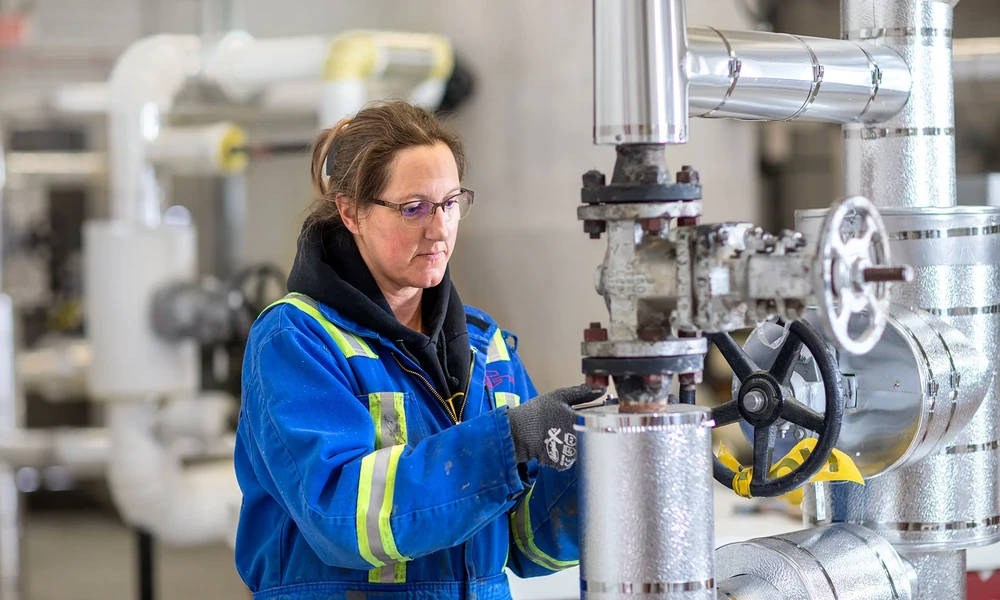
Planned vs. Reactive Maintenance: Why Industrial Insulation Should Always Be Part of Your PM Program

Every maintenance team has been there. A pipe shows signs of moisture damage, a piece of equipment is running hotter than it should, or a section of jacketing is visibly cracked and falling apart. The work order gets written, a crew gets dispatched, and the repair gets done. Problem solved, right?
Not exactly. What most facilities don’t realize until it’s too late is that reactive repairs to industrial insulation systems are almost always more expensive, more disruptive, and more time-consuming than staying ahead of the problem in the first place. And yet, insulation is one of the last things to make it onto a formal preventive maintenance schedule, if it makes it on at all.
That gap between what facilities actually do and what they should be doing is exactly what this article is about.
The Difference Between Planned and Reactive Maintenance (And Why It Matters)
Before getting into insulation specifically, it helps to level-set on what we mean by planned versus reactive maintenance.
Reactive Maintenance is exactly what it sounds like. You wait until something breaks, fails, or causes a problem, and then you fix it. It’s also sometimes called “run-to-failure” maintenance, and while it has its place for low-priority, non-critical equipment, it’s a costly strategy to apply broadly.
Planned Maintenance, often called preventive maintenance or a PM program, is the practice of scheduling inspections, servicing, and repairs before failure occurs. The goal is to catch problems early, extend the life of your equipment and systems, and reduce unplanned downtime.
Most experienced facility managers understand this difference well when it comes to motors, pumps, HVAC equipment, and electrical systems. Where the logic tends to break down is with passive systems, the ones that don’t move, don’t generate alerts, and don’t show up on a CMMS dashboard. Insulation is the most common example.
Why Insulation Gets Left Out of PM Programs
There are a few reasons insulation tends to be overlooked in formal maintenance planning.
First, it’s passive. Insulation doesn’t have moving parts: It doesn’t trigger a fault code or send an alert to your building management system when it starts to degrade. The failure is gradual and often invisible until the damage is significant.
Second, it’s not glamorous: Maintenance budgets and attention naturally flow toward equipment that’s critical to production. Insulation doesn’t feel urgent until it is, and by then you’re already dealing with a reactive situation.
Third, responsibility is often unclear: Depending on the facility and how maintenance teams are structured, insulation may fall between the cracks of different departments or work order categories. Nobody owns it specifically, so it doesn’t get tracked.
The result is a system that slowly deteriorates in the background while your team focuses on more visible priorities.
What Happens When Insulation Is Managed Reactively
When insulation is only addressed after a problem develops, the costs and complications multiply quickly.
Energy Loss Compounds Over Time: Damaged or missing insulation on process piping and HVAC systems allows heat to escape (or infiltrate, depending on the application). What might start as a small section of deteriorated material can contribute to significant thermal loss across a facility over months or years. The energy bill increases gradually enough that it doesn’t raise red flags, but the waste is real and consistent.
Moisture Infiltration Leads to Corrosion: One of the more serious consequences of degraded insulation is the potential for moisture to reach the pipe surface beneath it. This leads to a condition called corrosion under insulation (CUI), which is one of the more damaging and expensive problems a facility can face. CUI is difficult to detect because it develops out of sight, and by the time the outer jacketing shows visible damage, the pipe underneath may already be compromised.
Personnel Safety Risks Increase: In facilities where steam lines, high-temperature process piping, or cryogenic systems are present, damaged insulation creates direct safety hazards for workers. Hot surfaces that are exposed due to missing or failed insulation are a burn risk. Cold surfaces can cause freeze-related injuries or create slip hazards from condensation and frost. These aren’t theoretical concerns. They’re real outcomes that facilities deal with when insulation maintenance is deferred.
Unplanned Downtime Costs More Than Planned Repairs: When insulation failure contributes to a larger equipment or piping problem, the repair window is no longer on your schedule. It’s on the schedule of the failure. Emergency repairs cost more in labor, require faster procurement of materials, and may force production shutdowns that affect your entire operation.
What a Planned Approach to Insulation Maintenance Actually Looks Like
Getting insulation into your PM program doesn’t require a complete overhaul of your maintenance strategy. It starts with a few deliberate steps.
Regular Visual Inspections: Scheduled walkthroughs of process piping, mechanical rooms, and equipment areas should include a visual check of insulation and jacketing condition. Inspectors should be looking for cracking, compression, moisture staining, missing sections, and any signs of physical damage. These inspections don’t need to be exhaustive every time, but they need to happen consistently and be documented.
Thermal Imaging as Part of Your Inspection Toolkit: Infrared thermography is one of the most effective tools for identifying insulation performance issues before they become visible failures. Hot spots or cold spots on a thermographic scan can reveal areas where insulation has failed, been compromised by moisture, or is missing entirely. Many facilities already use thermal cameras for electrical inspections; adding insulation to that scope is a low-cost addition with high diagnostic value.
Tracking Insulation Age and Condition by System: Not all insulation degrades at the same rate. Systems that are exposed to outdoor conditions, thermal cycling, vibration, or high moisture environments will require more frequent attention than those in controlled indoor spaces. Knowing where your oldest or most at-risk insulation is located lets your team prioritize inspections and budget for repairs before they become emergencies.
Including Insulation in Your Repair and Replacement Budgeting: Reactive repairs tend to be more expensive because they’re rushed and unplanned. When insulation maintenance is built into your annual budget cycle, you have the ability to schedule work during planned outages, negotiate better pricing with your contractor, and stage materials in advance.
Establishing a Relationship With a Qualified Insulation Contractor: Having a contractor who already knows your facility, your systems, and your priorities is a meaningful advantage. They can flag concerns during routine visits, keep records of past repairs, and help you prioritize future work based on real-world condition data from your site. That kind of ongoing relationship is fundamentally different from calling a contractor cold after something has already failed.
The Cumulative Value of Staying Ahead
Maintenance teams operate under real constraints. Time, budget, and workforce are always in tension with the scope of work a facility demands. That reality doesn’t change.
But the facilities that consistently make planned maintenance work are the ones that understand the full cost of the reactive alternative. Every emergency repair has a hidden cost beyond the invoice. There’s the downtime, the production impact, the expedited labor rates, the personnel safety exposure, and the longer-term equipment damage that might not surface for months.
Insulation may not seem like a priority when it’s working as intended and sitting quietly behind jacketing or wrapped around a pipe in a mechanical room. That invisibility is exactly why it needs to be actively managed rather than passively ignored.
A few scheduled inspections per year, a clear system for tracking condition and flagging concerns, and a consistent repair and replacement plan can prevent the kind of failures that cost ten times as much to fix after the fact.
That’s the math that makes planned maintenance worth it. And it’s why insulation belongs in every industrial facility’s PM program, not as an afterthought, but as a core component of how the facility is managed.